
The Future of Conversational Tech 2026: Master AI & Chatbot Trends Driving Business Success
As we look toward 2026, the evolution of conversational technology, particularly in the realm of AI and chatbots, promises to reshape how businesses engage with customers. This article explores the emerging trends that will dominate the landscape, providing insights into how businesses can leverage these advancements to enhance customer interaction, optimize sales processes, and ultimately deliver superior customer experiences. The increasing sophistication of AI-driven solutions will enhance the ability of chatbots to interact naturally with consumers, paving the way for more seamless and efficient communication between organizations and their clients. The discussion will delve into key trends, including agentic AI automation, enhanced conversational abilities, and the transformative impact of multimodal AI chatbots.
Agentic AI Automation
Agentic AI refers to advanced systems that can autonomously execute tasks and make decisions on behalf of users. This technology’s rapid development has sparked significant interest across various industries as businesses recognize its potential for enhancing operational efficiency and customer satisfaction. By enabling automation of routine tasks, agentic AI allows staff to focus on more strategic initiatives, thus improving overall productivity. Its ability to process and analyze large volumes of data in real time further empowers organizations to optimize their responses to customer inquiries and automate engagement processes. As businesses implement these systems, they discover substantial cost savings and efficiency improvements, illustrating the transformative power of agentic AI in automating customer interactions.
Enhanced Conversational Abilities
Recent advancements in natural language processing (NLP) have enabled chatbots to engage in more human-like conversations. These improvements have been driven by sophisticated algorithms that allow for a deeper understanding of user intent and context. Enhanced conversational abilities not only improve customer satisfaction but also facilitate better retention of information during interactions. For instance, chatbots can now understand nuanced questions and provide precise answers, resulting in a more engaging customer experience. Additionally, businesses are benefiting from natural linguistic dynamics, as they can analyze dialog patterns that help enhance service strategies and foster trust in their brand.
Proactive Support Strategies
Proactive support strategies leverage AI to anticipate customer concerns and needs before they arise. By analyzing data and identifying patterns, businesses can take corrective actions or provide informative responses, enhancing the overall customer experience. Companies that adopt these strategies are expected to see a significant uptick in customer loyalty and satisfaction. For example, brands that monitor customer behavior and pre-emptively address potential issues can foster a more positive brand association and ensure that customers feel valued and understood.
Increased Automation
The shift towards increased automation in customer service is evident as technologies continue to evolve. Automation not only allows for uninterrupted support—available 24/7—but also minimizes human error in standard processes. As businesses embrace these capabilities, they can reallocate resources towards growth-oriented tasks and strategic initiatives. Furthermore, success stories demonstrate that organizations implementing more extensive automation have witnessed faster response times and improved service delivery. This shift signifies that companies leveraging advanced automation techniques outpace their competitors in customer engagement.
Real-Time Data Analytics
The use of real-time data analytics is becoming increasingly crucial for businesses seeking to refine their strategies based on immediate feedback. Harnessing data insights enables organizations to track customer interactions and preferences dynamically. This capability allows for timely adjustments in marketing and operational strategies, ensuring that businesses remain relevant and responsive to market shifts. Advanced analytics tools provide the framework necessary for organizations to adapt to trends and understand consumer behavior, which is vital in an era where expectations are continually evolving.
Personalization

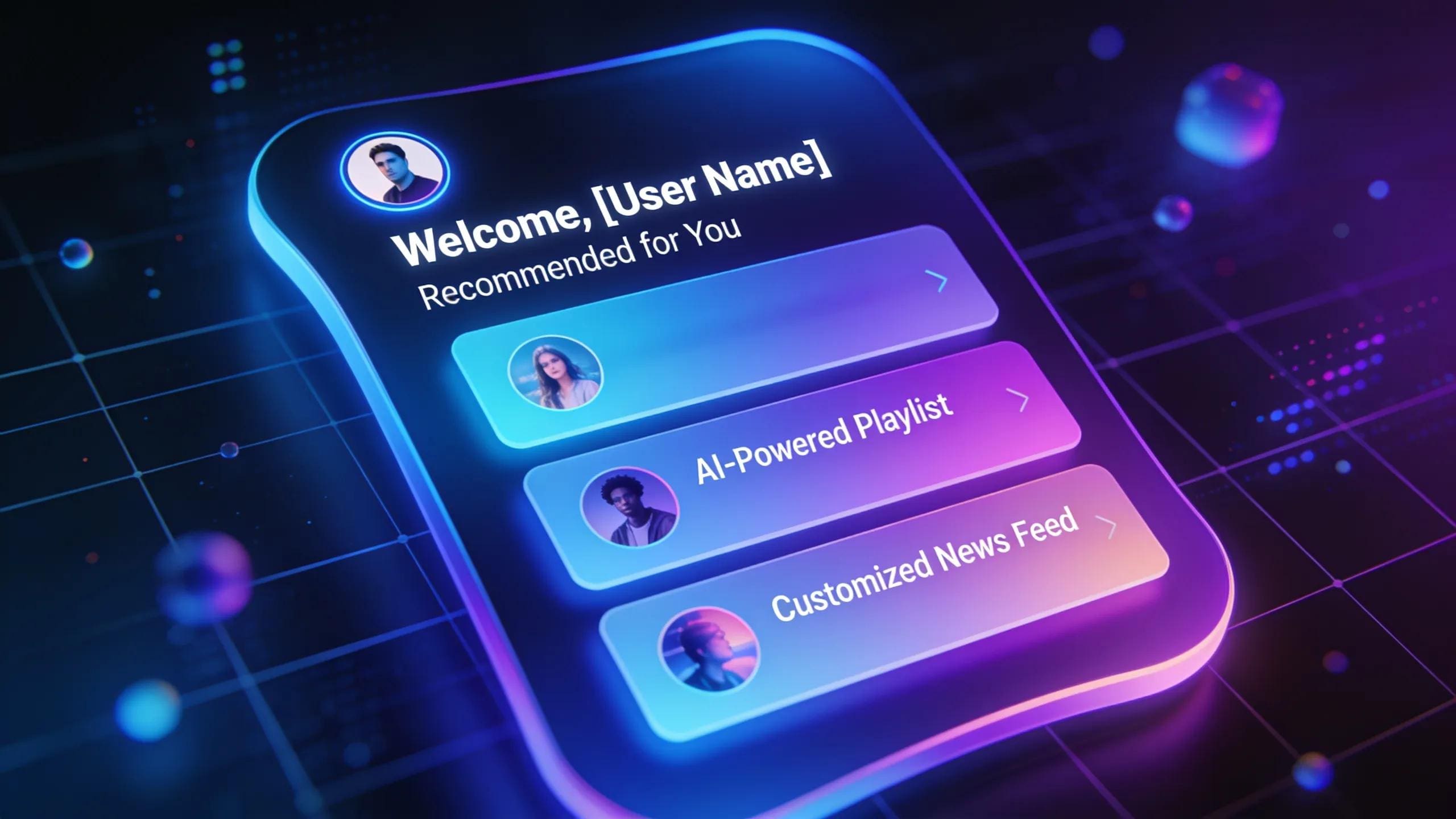
Personalization plays a pivotal role in driving customer engagement in 2026. As consumers increasingly expect tailored experiences, companies that can effectively personalize interactions will have a competitive edge. By using data-driven insights into customer behavior, organizations can deliver relevant content, recommendations, and support specific to individual needs. This approach not only enhances customer satisfaction but encourages brand loyalty, as customers feel understood and valued. Businesses must integrate robust data management systems to facilitate this level of personalization effectively.
Integration of Voice Technology
The integration of voice technology into conversational AI is set to transform user experiences drastically. Voice-activated systems allow for hands-free interaction, catering to user preferences for convenience and speed. As technology advances, we see an increasing number of products equipped with voice capabilities, making interactions more intuitive and accessible. This shift not only enhances customer engagement but also allows businesses to reach a wider audience. However, organizations must also navigate challenges related to accuracy, privacy, and user trust as they incorporate voice technology into their strategies.
Ethical Considerations
As AI and conversational tech continue to evolve, ethical considerations surrounding their deployment must be addressed. Concerns regarding data privacy, algorithmic bias, and the potential for misuse of AI systems necessitate a robust ethical framework. Businesses must commit to transparent practices, ensuring that customer data is handled responsibly while adhering to legal standards. Establishing ethical protocols will be essential to maintaining consumer trust and ensuring that AI technologies contribute positively to society without infringing on individual rights.
Continuous Improvement and Monitoring
For AI systems to remain effective, continuous improvement and monitoring are essential. Businesses must routinely assess the performance of their AI-driven chatbots and automation tools to ensure they meet evolving customer expectations. Implementing feedback loops allows organizations to modify and enhance their systems, ensuring that the technology remains relevant. This iterative process of monitoring and updating promotes innovation and efficiency while fostering stronger customer relationships.
Multimodal AI Chatbots
Multimodal AI chatbots are the next step in enhancing user interactions by combining multiple forms of communication, such as text, voice, and visual inputs. This technology provides users with flexible interaction channels, resulting in a more holistic engagement approach. By enabling seamless transitions between modalities, businesses can cater to diverse preferences and improve overall user satisfaction. The implementation of multimodal chatbots allows organizations to interact with customers in ways that are most convenient and effective for them.
Definition:
Multimodal AI chatbots are designed to process various input types, allowing users to interact through text, voice, or visuals depending on the context. This approach enhances the versatility of chatbots, enabling more adaptable and user-friendly interactions.
Features:
Key features of multimodal AI chatbots include:
- Emotional Intelligence Capabilities: Recognizing customer emotions during interactions to respond appropriately.
- Integration of Multiple Languages: Providing support in various languages to cater to global audiences.
- Proactive Engagement Features: Anticipating customer needs and offering assistance without awaiting prompts.
Advantages:
Implementing multimodal chatbots presents several benefits:
- User Experience Improvements: By allowing users to engage in their preferred mode of communication, businesses enrich the overall experience.
- Operational Efficiencies: These systems can streamline troubleshooting and enhance resolution times by providing context through multiple communication channels.
- Data Insights from Usage: Analyzing interactions across modalities provides valuable insights into consumer behavior and preferences, aiding strategic decisions.
Transformation of User Interactions:
The introduction of multimodal capabilities is transforming user expectations for interaction quality. Customers now anticipate seamless experiences across devices and modalities, encouraging brands to innovate continuously. The adaptability afforded by multimodal chatbots empowers organizations to engage with users in contexts that are most appealing to them, solidifying stronger connections.
How Does Multimodal Interaction Boost Customer Engagement?
Engaging customers through multimodal interactions can significantly boost satisfaction metrics and foster deeper connections. By offering various communication channels, businesses can provide flexibility and enhance user experiences tailored to individual preferences. This adaptability leads to improved customer retention and loyalty, as users feel empowered by their personalized interactions.
Examples of Multimodal Interaction:
Multimodal interaction can manifest in various ways, such as:
- Utilizing voice commands alongside visual elements for navigation.
- Enabling customers to switch from chat to video calls with ease during support sessions.
- Integrating visual aids, such as images or videos, to complement text responses in chatbots.
Benefits of Multimodal AI:
The advantages of employing multimodal AI strategies include:
- Enhanced User Satisfaction: By catering to unique preferences, users feel valued and understood.
- 24/7 Service Availability: Multimodal interactions ensure that users receive the help they need, regardless of the time of day.
- Efficiency Improvements: Reduced interaction friction facilitates quicker resolution and enhances overall service delivery.
Implementation Strategies:
To successfully implement multimodal AI strategies, businesses must focus on:
- Integrating with Existing Systems: Ensuring compatibility with current platforms to facilitate a smooth transition.
- Designing with User Experience in Mind: Prioritizing intuitive interfaces that enhance usability across various modalities.
Which Industries Win with Multimodal AI Chatbots?
Across multiple sectors, industries such as eCommerce, healthcare, and finance showcase significant advantages from adopting multimodal AI chatbots. These platforms enable businesses to engage customers comprehensively, driving improved interaction quality and satisfaction levels. For instance, in eCommerce, chatbots equipped with visual and voice capabilities can enhance product discovery, leading to increased conversions and overall customer satisfaction.
How Do Agentic AI Workflows Turbocharge Automation and Sales?
Agentic AI workflows streamline complex processes and enhance sales through automated decision-making. By taking over repetitive tasks, these AI systems reduce human workload while improving accuracy and efficiency. Organizations utilizing agentic workflows gain substantial operational advantages, thus positioning them for growth in competitive landscapes.
What Defines Agentic Workflows in AI Automation?
Agentic workflows are typically characterized by their ability to autonomously perform tasks without constant human oversight. They leverage data analytics and machine learning to enhance decision-making, leading to faster and more informed outcomes. This automation capability marks a significant leap in workplace efficiency, allowing teams to allocate resources to higher-value tasks.
Applications and Examples:
The applications of agentic workflows span diverse sectors:
- Lead Generation: Automating processes for qualifying prospects and managing leads streamlined through chatbot interactions.
- Customer Support Implementations: Minimizing response times by enabling AI-driven resolutions for common customer queries.
Impacts on Business Efficiency:
Enhanced efficiency through agentic workflows has substantial implications for cost management and productivity, allowing companies to operate with greater agility. Organizations report increased operational metrics by reassigning human resources to tasks that require critical thinking rather than routine functions.
How Can Businesses Unlock Sales Growth Using Agentic AI?
Businesses can leverage agentic AI to drive sales growth through several strategic methods:
- Automated Lead Qualification: By efficiently processing leads, agentic AI enables sales teams to focus on high-potential customers.
- Real-Time Customer Engagement: AI-driven interactions allow companies to supplement user inquiries as they arise, increasing conversion opportunities.
Which AI Automation Strategies Accelerate Business Growth in 2026?
Various innovative AI automation strategies are set to redefine business growth trajectories in 2026. This includes expanded capabilities in conversational AI that improve user intent recognition and adapt to shifting market demands. Companies focusing on strategic AI implementations are likely to see significant returns on investment as they enhance overall efficiency and customer engagement.
How Does Conversational AI Streamline Enterprise Chatbot Solutions?
Conversational AI streamlines enterprise chatbot solutions by improving user intent recognition through advanced understanding of contextual language. With 24/7 availability, organizations can reach broader audiences and respond to inquiries more effectively, enhancing customer outreach efforts and improving service delivery.
What ROI Benefits Do AI Automation Technologies Deliver?
Organizations investing in AI automation technologies see a favorable ROI through substantial reductions in operational costs and increased productivity. Analysis of successful implementations indicates positive financial impacts as automation reduces overhead and improves customer service efficiency.
Why Is Funneler AI Leading the Next-Gen Conversational Revolution?
Funneler AI stands at the forefront of the next-generation conversational revolution, providing businesses with state-of-the-art automation tools that enhance both lead generation and customer engagement. Specializing in AI-driven customer interaction automation, Funneler AI empowers organizations to optimize their communication strategies and drive sales effectively.
How Does Funneler AI Integrate Multimodal and Agentic AI Agents?
Funneler AI seamlessly integrates multimodal and agentic AI agents to maximize customer engagement while leveraging the full capabilities of advanced automation technologies. This integration promotes enhanced user experiences and allows businesses to adapt efficiently to evolving customer needs.
Which Industry Verticals Does Funneler Target for Maximum Impact?
Funneler AI actively focuses on key industry verticals such as technology, retail, and financial services, where intelligent chatbot integration can yield substantial improvements in customer interaction and satisfaction.
What Are the Must-Know Trends Driving Conversational AI in 2026?
Key trends driving conversational AI in 2026 include advancements in agentic AI capabilities, innovations in multimodal interaction, and heightened focus on ethical considerations. Businesses that stay ahead of these trends will harness the full potential of conversational technologies, ensuring robust customer relationships.
How Is Multimodal Interaction Revolutionizing Chatbot Tech?
Multimodal interaction is significantly shaping chatbot technology, allowing for richer, more diverse engagement strategies that cater to varied consumer preferences. The shift towards a multimodal approach enables organizations to keep pace with industry expectations and enhances their overall service delivery.
Why Are Agentic AI Workflows a Breakthrough for Automation?
Agentic AI workflows represent a breakthrough in automation, facilitating autonomous operations that enhance organizational efficiency. By embracing these systems, businesses can minimize human error, reduce costs, and accelerate service delivery, making them indispensable in contemporary operations.