
By Gustavo Natotschiev, Funneler AI
Small and medium-sized businesses (SMBs) are increasingly turning to artificial intelligence (AI) to enhance their sales processes and customer interactions. Automation through AI agents not only streamlines operations but also significantly boosts sales conversion rates. In this comprehensive guide, we’ll explore how SMBs can harness AI to automate customer interactions and achieve remarkable sales growth. Many businesses struggle with maintaining consistent communication and efficient lead handling, leading to lost opportunities. AI solutions provide a game-changing avenue to address these challenges. We’ll delve into the mechanisms of AI customer service automation, discuss various sales conversion optimization tools, and highlight specific strategies tailored for different industries such as real estate and e-commerce.
What Is AI Customer Service Automation and How Does It Transform SMB Sales?
AI customer service automation refers to the use of intelligent software agents to manage and enhance customer interactions. These AI systems are designed to handle routine inquiries, qualify leads, and provide support, freeing human agents to focus on more complex tasks. The transformative impact on SMB sales can be profound; businesses can respond to customer inquiries 24/7, minimize response times, and boost customer satisfaction. By implementing AI solutions, SMBs can achieve streamlined processes, increased efficiency, and improved revenue generation.
How Do AI Agents Automate Lead Qualification and Boost Conversion?

AI agents automate lead qualification by utilizing algorithms to analyze customer data, behaviors, and preferences. This intelligent assessment allows SMBs to identify prospective customers who are most likely to convert. As a result, businesses experience enhanced conversion rates, given that marketing efforts are focused on high-potential leads. For instance, a case study in the e-commerce sector showed that utilizing AI for lead qualification increased conversion rates by up to 30%. AI-driven insights enable businesses to tailor their follow-up strategies and foster more meaningful connections with leads, ultimately driving sales growth.
Academic research provides a robust framework for understanding how these AI-driven systems integrate into broader marketing and lead generation strategies.
AI-Driven Marketing Automation Framework for SMB Lead Generation
This paper presents and evaluates an integrated nine-phase AI-driven marketing automation framework designed to support lead scoring, qualification and business decision-making in SME settings. The framework includes data ingestion and exploratory analysis, preprocessing of imbalanced data using the Synthetic Minority Over-sampling Technique (SMOTE), a unified preprocessing workflow for six classifiers: Logistic Regression, Random Forest, XGBoost, LightGBM, Support Vector Machine and Multi-Layer Perceptron, SHAP-based explainability, NLP-based sentiment and intent extraction, a real-time conversational lead qualifier, and a Return on Investment (ROI) dashboard. An Explainable End-to-End AI Framework for Marketing Automation and Lead Generation in Small and Medium Enterprises, 2026
Why SMBs Must Adopt Conversational AI for Sales Conversion Optimization
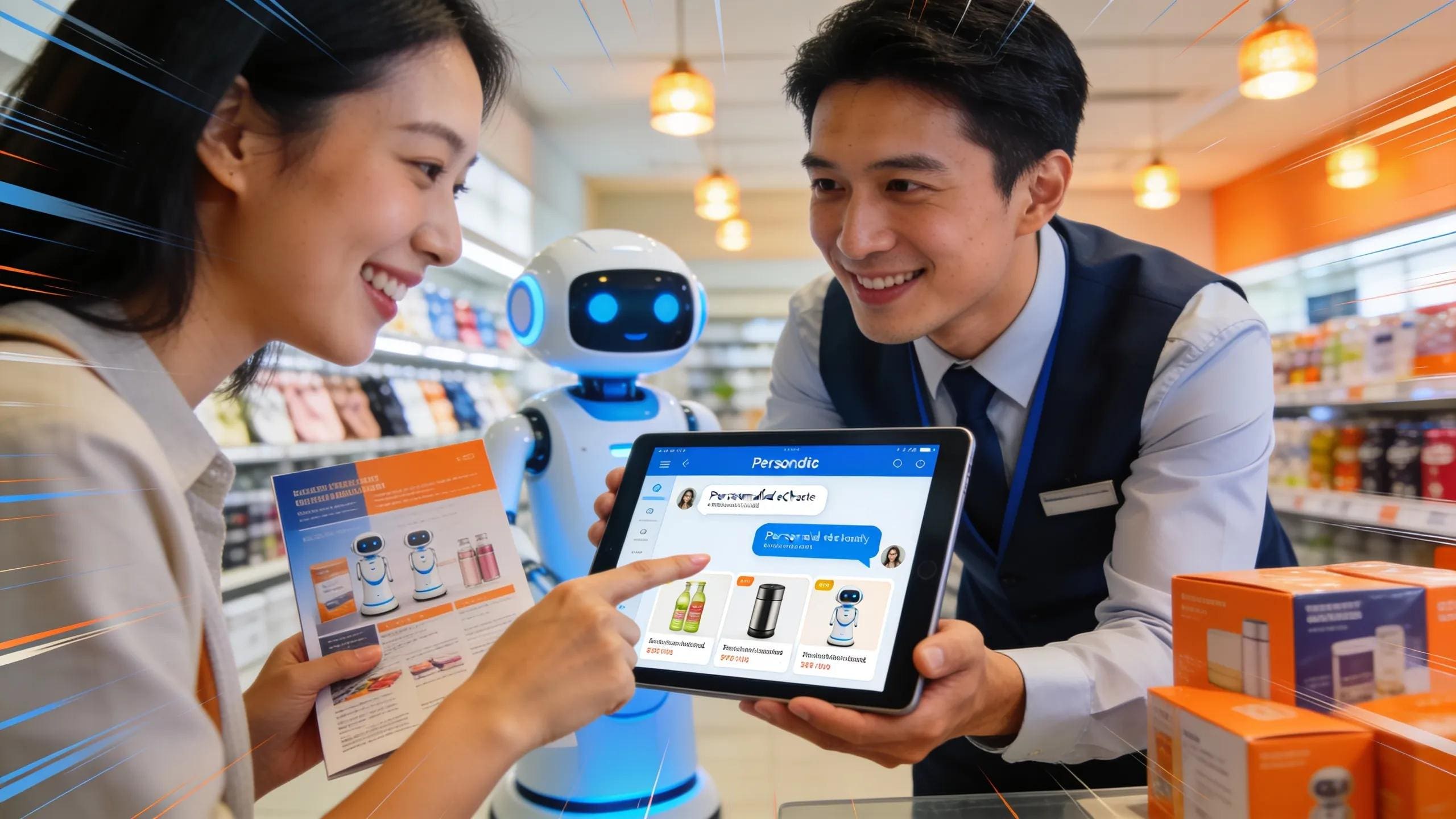
The necessity of conversational AI for SMBs cannot be overstated. These intelligent systems enable businesses to engage in real-time conversations with potential customers, providing instant responses and personalized experiences. The ability to use chatbots and voice assistants can significantly enhance customer engagement, making it easier for leads to get answers quickly. It has been noted that businesses implementing conversational AI have observed a 20% increase in customer interaction rates. Additionally, the insights gathered from these conversations help refine sales strategies, fostering better alignment between customer needs and business offerings.
Which Sales Conversion Optimization Tools Power Small Business Sales Automation?
A variety of sales conversion optimization tools are essential for SMBs looking to automate their sales processes efficiently. These tools come with features designed to enhance customer engagement, streamline communications, and support lead management. By leveraging these solutions, SMBs can ensure they are well-equipped to meet the demands of modern consumers and enhance their overall sales effectiveness. To see how these tools perform in real-world scenarios, browse through our collection of case studies and expert analysis on modern sales automation trends.
Advanced AI frameworks are now specifically designed to help resource-constrained organizations optimize their digital marketplaces.
Optimizing B2B E-commerce for SMBs with Adaptive AI
This paper presents the Adaptive Intelligence for SME-Led E-commerce (AISLE) framework, an adaptive intelligence layer for optimum operation of B2B marketplace for resource-limited organizations in emerging economies using artificial intelligence. AISLE combines three fundamental features – the machine learning-based supplier matching feature, the real-time demand prediction feature and the dynamic pricing optimization feature – all designed to run in the infrastructural and capital constraints typical of SMEs. AI-Driven Intelligence Layer 4 SME-to-B2B Marketplace Optimization: The AISLE Framework, 2026
What Features Make AI Virtual Assistive Agents Essential for SMBs?
AI virtual assistive agents come with essential features that make them invaluable for SMBs. These include:
- 24/7 Availability: Ensure customer inquiries are addressed anytime.
- Lead Scoring: Prioritize leads based on potential conversion chances.
- Personalized Interactions: Tailor communication to meet individual customer needs.
The incorporation of these features enhances operational efficiency and improves customer satisfaction by providing timely and relevant assistance.
How Do Automated Follow-Up and Appointment Scheduling Accelerate Sales?
Automated follow-up systems and appointment scheduling tools maximize the effectiveness of sales strategies. By handling follow-ups effortlessly, businesses can maintain engagement with leads while minimizing the risk of losing potential sales opportunities. Moreover, automated appointment scheduling simplifies the process for both the customers and sales teams. For example, an SMB in the health sector that implemented automation saw a reduction in appointment scheduling time by 50%, allowing for more clients to be serviced in less time. This efficiency not only optimizes resources but also enhances the customer experience.
How Can SMBs Automate Customer Interactions Across Industries Like Realtors, Healthcare, and E-Commerce?
Different industries approach automation in varied ways; however, the impact remains consistent. By leveraging AI, SMBs from sectors such as real estate, healthcare, and e-commerce can streamline interactions and improve service delivery.
What Sales Automation Success Looks Like for Realtors and Healthcare Providers?
Realtors and healthcare providers illustrate remarkable successes in sales automation through AI. For instance, a real estate agency utilizing AI agents for lead engagement reported a 40% increase in new clients. Similarly, healthcare providers utilizing automated pre-appointment questionnaires and follow-ups have noticed an uplift in client retention rates, showcasing the critical role of automation in enhancing operational efficiency.
Industry-specific studies highlight how data-driven lead prioritization allows professionals to focus on high-probability opportunities.
Boosting SMB Sales Conversion Through AI Lead Prioritization
Incorporating AI and analytics lead management thrust real estate agents into data analysis, where agents can make predictive and behavioral decisions based on stated data. Through lead scoring tools and other intelligent platforms such as AI, an agent can determine high probable lead conversion, directing efforts to more converting leads. Lead Prioritization: A guide to maximizing sales using analytics and AI in Real Estate, 2024
How Startups and E-Commerce SMBs Unlock 10x Sales with AI Sales Agents
Startups and e-commerce businesses that adopt AI sales agents can achieve astounding results in sales growth. Companies like these have reported conversions that are ten times higher than those without AI integration. This success can be attributed to the ability of AI agents to analyze consumer behavior and predict purchasing patterns, allowing for better-targeted marketing efforts. Moreover, continuous data analytics facilitates dynamic adjustment of sales strategies to match the rapidly evolving market landscape.
How Do SMBs Get Started with Funneler AI Agents for Sales Automation?
Getting started with AI solutions like Funneler AI requires a clear understanding of the registration and subscription process, which is designed to be user-friendly. SMBs can begin by visiting the website and following the outlined steps for onboarding.
What Does the AI Agent Registration and Subscription Process Look Like?
The registration process for Funneler AI is straightforward, guiding users through initial setup in a few steps. Each subscriber can easily navigate through the interface to configure their desired functions, ensuring that they can personalize the AI agent’s behavior to suit their business needs. Users can expect to input basic business information and select preferences for automation features tailored to their operational requirements.
Which Pricing Models Deliver Maximum ROI for SMB Sales Automation?
Funneler AI offers various pricing models to optimize return on investment (ROI) for SMBs. Subscription plans are designed to accommodate businesses of different sizes, providing flexibility based on user volumes and feature needs. The tiered pricing structure allows companies to choose plans that align with their projected sales growth, maximizing their investment while ensuring effective service delivery.
What Are the Top FAQs About AI Sales Automation and Customer Interaction Tools?
As AI sales automation continues to evolve, several common inquiries arise among SMBs interested in these technologies. Addressing these questions helps demystify the integration of AI tools into traditional sales processes.
How Do AI Agents Handle Automated Lead Qualification Efficiently?
AI agents utilize advanced algorithms to analyze customer data, identifying leads based on their likelihood of converting. This automated process not only saves time but also increases accuracy, allowing sales teams to focus on nurturing qualified leads. Research indicates that AI-enhanced lead scoring can result in 20-30% higher conversion rates when compared to manual lead qualification methods.
What Benefits Do SMBs See from AI Sales Conversion Optimization Tools?
SMBs employing AI sales optimization tools report significant benefits, including:
- Increased Efficiency: Automation reduces time spent on repetitive tasks.
- Improved Lead Management: More effective prioritization of high-potential leads.
- Enhanced Customer Experiences: Tailored interactions lead to higher satisfaction.
These advantages illustrate the value of integrating AI technologies into sales processes, facilitating greater operational success.
How Will AI Agents Shape SMB Sales Automation Growth From 2024 to 2026?
The future of AI agents looks promising as SMBs increasingly rely on these technologies to drive sales automation efforts. With projections indicating substantial growth, businesses need to stay informed about advancements in AI that will shape industry practices.
What Market Data Confirms 10x Sales Lift Through AI-Driven Customer Interactions?
Market studies reveal that companies adopting AI-driven strategies can achieve substantial increases in sales due to enhanced customer interactions. Analytics from recent surveys indicate that organizations using AI for personalized messaging and responsiveness enjoy a significant edge over their competitors. These statistics underline the critical importance of adapting to the evolving landscape of consumer behavior.
How Do SMBs Stay Ahead by Monitoring AI Automation Innovations and Competitors?
To remain competitive, SMBs must actively monitor innovations in AI automation. It is crucial for businesses to research emerging trends and tools that promise to improve efficiency and effectiveness. Utilizing industry reports and analytics resources can provide insights into best practices that lead to better sales outcomes. By staying proactive, SMBs can foster a culture of adaptability and innovation, ensuring long-term success in a rapidly changing marketplace.