
Unleash AI Automation Tools: The Rise of Autonomous Agentic Teammates and Chatbot Trends in 2026
The landscape of artificial intelligence is rapidly evolving, especially in the realm of business automation through autonomous agentic teammates and chatbots. In this article, we will explore how advancements in AI are shaping these technologies, focusing on their functionalities, applications, and impact on productivity and user interactions. As organizations strive for enhanced efficiency and personalized customer engagement, understanding the nuances of these trends becomes crucial. We will also discuss practical deployments for businesses seeking to integrate these AI-driven solutions effectively. By the end, you’ll gain insights into the transformative potential of AI automation tools, particularly for industries such as real estate, healthcare, e-commerce, and startups.
Functionalities
Autonomous AI agents are revolutionizing how businesses approach customer interactions and operational efficiency. Their key functionalities include:
- Autonomous Decision-Making: These AI agents can analyze data and make independent decisions, significantly reducing the need for human intervention.
- Proactive Engagement: By anticipating customer needs, they initiate interactions, thereby improving customer satisfaction and retention.
- Multilingual Support: They facilitate communication across different languages, broadening the reach of customer support.
- Dynamic Personalization: Autonomous agents adapt their responses and offerings based on individual user behavior, enhancing the user experience.
- Integration Capabilities: These agents can seamlessly integrate with existing customer support systems and platforms, offering a unified approach to troubleshooting and problem resolution.
Understanding these capabilities highlights the importance of leveraging AI to boost customer service and optimize operational workflows.
Applications in Team Settings
In various business environments, autonomous agentic teammates are gaining traction for their practical applications. Here are some notable use cases:
- Customer Support: AI-driven chatbots handle routine inquiries, allowing human agents to focus on complex issues that require more nuanced responses.
- Lead Generation: Through proactive engagement and data analysis, these AI tools identify and qualify potential leads, streamlining the sales process.
- Task Automation: Routine tasks such as scheduling, data entry, and follow-ups can be automated, increasing team productivity.
- Performance Optimization: These agents provide insights and analytics that help teams make data-driven decisions for better overall performance.
By integrating autonomous agents into team dynamics, organizations can significantly enhance their operational efficiency.
Impact on Productivity and User Interaction
The rise of AI automation tools fundamentally alters how teams work and interact with users. Key impacts include:
- Increased Efficiency: Tasks that once required significant time and human resources can now be automated, allowing teams to allocate their efforts more effectively.
- Enhanced User Experience: Customers benefit from quicker responses and more tailored interactions, leading to improved satisfaction levels.
- Data-Driven Insights: AI agents analyze user interactions to provide actionable insights, helping teams refine their strategies based on real-time data.
- Continuous Improvement: The use of machine learning enables these agents to evolve based on user feedback, improving their functionality over time.
These transformative effects position AI automation tools as essential components in modern business strategies, especially as organizations continue to embrace digital transformation.
What Are Autonomous Agentic Teammates and Why Do They Matter in 2026?
Definition:
Autonomous agentic teammates refer to AI systems that possess the capability to operate independently within environments, making data-driven decisions and improving user interactions without constant human oversight. These systems combine advanced algorithms with machine learning and AI, elevating conventional decision-making processes to autonomous functionality.
Significance:
As businesses face increasing demands for efficiency and customer satisfaction, the significance of these agents cannot be overstated. They enable organizations to enhance operational efficiency by automating mundane tasks and providing comprehensive data analysis. In 2026, businesses that leverage these AI-powered solutions will remain competitive by optimizing customer engagement and service delivery.
Applications:
Autonomous agentic teammates find applications across various sectors, including:
- Customer Service: Providing instant support and answering inquiries at any hour.
- Sales: Assisting with lead qualification and nurturing.
- Human Resources: Streamlining recruitment processes and employee onboarding.
The ability of these agents to adapt and personalize their interactions makes them invaluable to many industries.
How Do Intelligent Virtual Agents Drive Business Process Automation?
Intelligent virtual agents contribute significantly to business process automation by handling routine tasks that typically require human intervention. This includes:
- Routine Task Automation: They perform repetitive tasks efficiently, which increases productivity and allows employees to focus on more strategic activities.
- 24/7 Availability: These agents are available around the clock, ensuring that customer service is never interrupted.
- Increased Throughput: By managing multiple interactions simultaneously, they enhance the overall speed and efficiency of processes.
- Cost Reduction: The automation of tasks reduces labor costs and operational expenses associated with employee oversight.
Integrating intelligent virtual agents into business processes can vastly improve operational effectiveness and lead to substantial cost savings.
What Unique Power Do AI Automation Tools Bring to Sales Funnels?
AI automation tools are specially designed to enhance the efficiency of sales funnels by streamlining various stages of the process. Key advantages include:
- Automated Lead Qualification: These tools use data analysis to identify and prioritize leads, ensuring sales teams focus on the most promising prospects.
- Real-Time Engagement: AI chatbots interact with leads instantly, answering questions and facilitating a seamless transition through the funnel.
- Continuous Follow-Ups: Automation ensures consistent follow-up interactions with potential customers, enhancing relationship building and converting leads into sales.
This unique capability positions AI tools as pivotal in optimizing sales strategies and improving conversion rates.
How Multimodal Conversational AI Transforms Chatbot Automation Trends
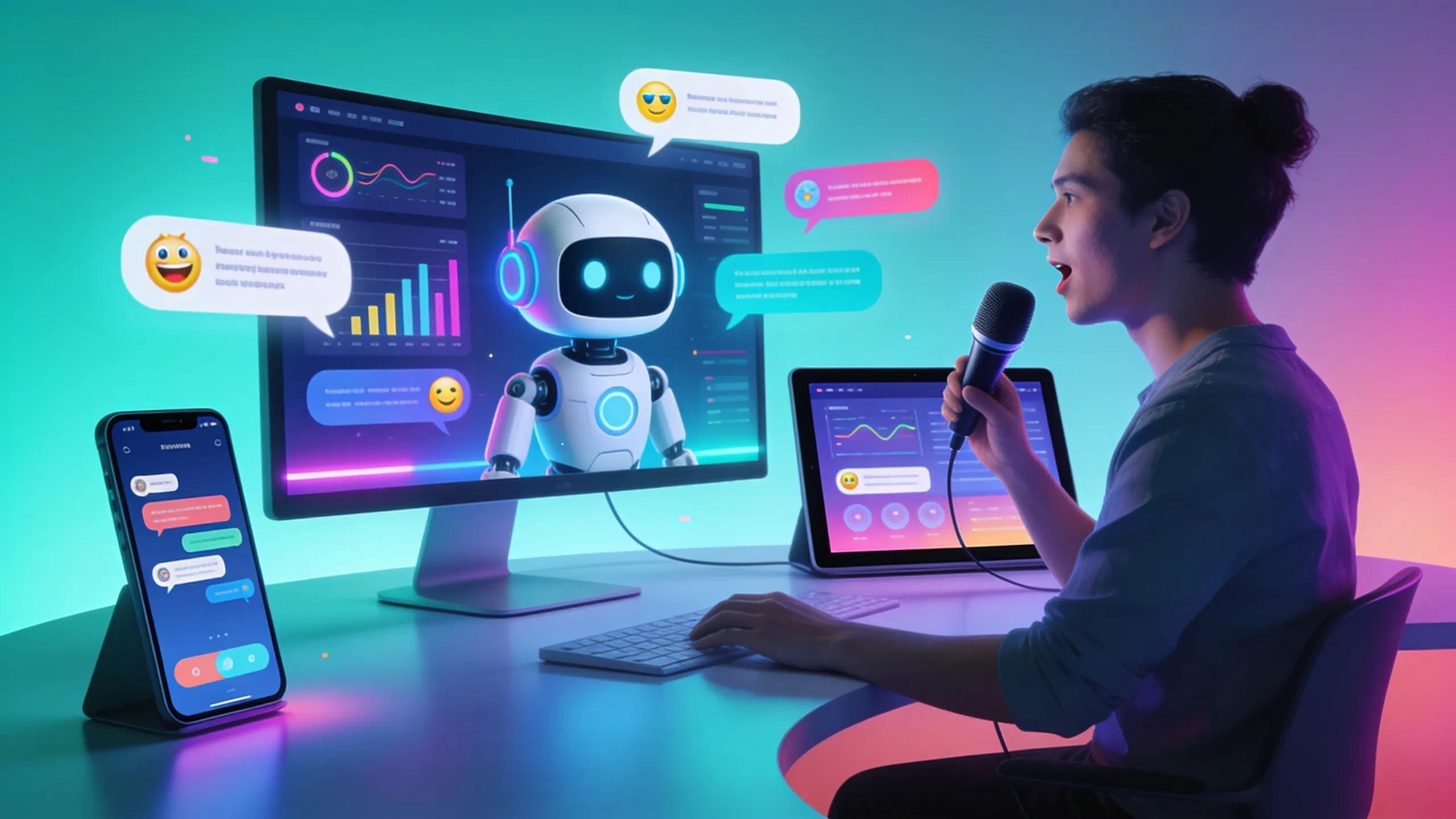
Multimodal conversational AI represents a breakthrough in chatbot technology, enabling more sophisticated and interactive user engagements. This transformation is evident in several key areas:
- Enhanced Interaction: Multimodal capabilities allow chatbots to understand and respond to voice, text, and visual inputs, catering to varied user preferences.
- Voice Integration: Integrating voice interfaces into chatbots enhances usability, providing a hands-free interaction experience that appeals to modern consumers.
- Emotional Intelligence: Advanced algorithms can detect and respond to user emotions, making interactions feel more human-like and personalized.
As these technologies continue to develop, multimodal conversational AI will redefine user expectations and experiences in digital engagement.
Why Voice AI Integration Supercharges Customer Engagement
Voice AI integration is one of the most impactful trends in enhancing customer engagement. The benefits include:
- Natural Interactions: Voice technology allows users to interact with services using conversational language, simplifying the user experience.
- Hands-Free Engagement: Customers can engage with services without needing to type or click, offering convenience that traditional methods lack.
- Increased Customer Satisfaction: Improved interaction quality leads to higher satisfaction scores as users enjoy quicker and more accurate responses.
This integration signifies a shift toward a more intuitive approach in customer interaction and engagement.
What Are the Latest Chatbot Automation Innovations You Need to Know?
AI-driven automation continues to innovate how chatbots operate, delivering significant enhancements such as:
- Emotional Intelligence: Modern chatbots are now capable of understanding user sentiment, leading to more empathetic and effective communication.
- Multilingual Support: Improved language processing allows chatbots to serve global audiences, enhancing accessibility.
- Proactive Engagement: Innovations in machine learning enable chatbots to reach out to customers based on predicted needs rather than waiting for users to initiate contact.
These innovations place chatbots at the forefront of customer service strategies, enabling businesses to stay competitive in a fast-paced market.
Which Industries Ignite Growth with Autonomous AI Agents and Agentic Teammates?
The integration of autonomous AI agents is most pronounced in several industries that benefit greatly from enhanced efficiency and customer service improvements.
How Real Estate and Healthcare Revolutionize Client Interactions
In real estate, AI agents support agents by automating lead generation and client communication, providing continual updates and assistance throughout the buying process. Healthcare providers utilize AI to manage patient inquiries and follow-up reminders, streamlining operations while ensuring that patients receive timely care and attention.
Why Startups and E-commerce Dominate Early Adopters of AI Automation Tools
Startups and e-commerce companies leverage AI automation tools to scale rapidly and efficiently. With the need for agile responses to market demands, these sectors gain advantages by adopting AI for customer service, marketing strategies, and operational tasks. The focus on scalability makes them early adopters, setting trends for larger industries to follow.
How to Deploy Autonomous Agentic Teammates: Step-by-Step AI Integration
Deploying autonomous agentic teammates involves a thoughtful process to ensure successful integration within existing workflows. Key steps include:
- Defining Integration Workflows: Organizations should clearly outline how AI teammates will fit into existing processes and how they will interact with human team members.
- Monitoring Performance: Regular evaluation of AI performance indicates areas for improvement and adjustments.
- Evaluating Customer Feedback: Gathering and analyzing customer interactions with AI tools provides insights into user satisfaction and opportunities for refinement.
Implementing these steps allows businesses to reap the benefits of AI automation effectively.
What Workflows Can AI Teammates Automate for Maximum Impact?
Maximizing the impact of AI teammates involves identifying specific workflows that can be streamlined. Common areas include:
- Lead Generation: Automatically qualifying leads through initial assessments.
- Customer Support: Handling frequently asked questions to relieve human representatives from repetitive queries.
- Marketing Campaign Management: Automating follow-ups with contacts from previous campaigns to enhance conversion rates.
Streamlining these workflows not only increases efficiency but also enhances the overall customer experience.
What Benefits Will You Unlock with Autonomous AI Agents in Business?
Integrating autonomous AI agents offers significant benefits, including:
- Enhanced Efficiency: Reducing operational bottlenecks by automating labor-intensive tasks leads to faster service delivery.
- Cost Savings: By minimizing manual effort, organizations can reduce overhead costs associated with staffing.
- Improved Decision-Making: AI-driven insights enable businesses to make informed decisions based on real-time data.
These advantages highlight the transformative potential of AI agent integration across various industries.
How AI Agents Accelerate Sales and Slash Manual Workloads
Implementing AI agents within sales teams has shown impressive results in accelerating processes and reducing workloads. Notable impacts include:
- 24/7 Availability: AI agents can operate nonstop, engaging prospects and clients without human limitation on hours.
- Reduction of Manual Tasks: Agents automate repetitive tasks such as data entry and follow-up emails, allowing team members to focus on strategy and relationship building.
- Integration with Systems: AI agents can connect seamlessly with existing CRM systems, providing sales teams real-time insights and analytics for informed decision-making.
The integration of these technologies not only enhances the sales process but ultimately contributes to improved revenue generation.
Why Multimodal AI Reduces Customer Response Times by 40%
Multimodal AI technologies can drastically enhance response times in customer interactions by:
- Benefits of Speed: Utilizing advanced algorithms allows these systems to process and respond to inquiries in real-time.
- Improved Customer Satisfaction: Faster responses lead to greater customer satisfaction and loyalty.
- Optimized Interaction Paths: These systems intelligently determine the quickest route to resolution, enhancing efficiency.
This capacity to deliver rapid responses empowers organizations to meet customer demands effectively in today’s fast-paced digital environment.