Unleash AI Customer Service Automation: Master Trends Shaping the Future of Automated Customer Interactions
Customer interactions are changing fast. AI and automation drive the shift. Businesses harness these tools to boost engagement, streamline operations, and raise service quality. This article breaks down trends shaping automated customer interactions. See how AI transforms customer service and fuels lead generation. Get clear insights into the mechanics, the business and consumer impacts, and the latest tech advances. Customer expectations are rising. AI-driven solutions offer a strong path forward. We’ll cover key trends, conversational AI, and industry integrations.
Key Takeaways
- AI customer service automation enhances engagement by providing personalized, emotion-aware, and 24/7 support to customers.
- Advancements in NLP, multimodal interfaces, and voice technology improve AI’s ability to deliver natural and accurate interactions.
- Businesses benefit from AI by reducing operational costs, gaining customer insights, and improving service quality through AI-human collaboration.
- AI-powered lead generation tools streamline qualification, automate follow-ups, and provide data-driven insights to boost sales efficiency.
- Integration of AI with CRM systems enables real-time data access, personalized outreach, and predictive analytics to increase conversions.
- Industry-specific AI applications in retail, healthcare, and real estate enhance customer interactions and service delivery.
- AI analytics supports personalized marketing, data-driven decisions, and improved customer experiences for competitive advantage.
- Effective AI implementation requires clear goals, quality data, continuous monitoring, and adherence to best integration practices.
- Tracking KPIs and using analytics dashboards help optimize AI agent performance and continuously improve customer engagement strategies.
Transformative Impact on Customer Engagement
AI is revolutionizing customer engagement by enabling businesses to anticipate customer needs and deliver personalized experiences. Through advanced algorithms and machine learning, AI systems can analyze vast amounts of customer data to identify patterns and preferences. This capability allows for the creation of emotion-aware AI models that can respond to customer inquiries with empathy and understanding. Furthermore, AI chatbots provide 24/7 support, ensuring that customers receive timely assistance regardless of the hour. As a result, businesses can enhance customer satisfaction and loyalty, ultimately driving sales and growth.
Research backs this. AI chatbots deliver continuous customer service and boost operational efficiency.
AI Chatbots for 24/7 Customer Service Automation
Artificial intelligence can assist businesses in automating various tasks, improving efficiency, and enhancing decision-making processes. For instance, AI chatbots provide 24/7 customer service and perform routine tasks, freeing up human agents to focus on more complex issues. This automation not only reduces operational costs but also ensures consistent and immediate support for customers.
Unlocking the potential of AI in business: Challenges and ethical considerations, G Kiradoo, 2023
Latest Technological Advancements
AI tech is reshaping customer interactions. Expect rapid improvements and new capabilities. Key developments include:
- Integration of Multimodal Interfaces : These interfaces allow customers to interact with AI systems through various channels, such as voice, text, and visual inputs, creating a seamless experience.
- Advancements in Natural Language Processing (NLP) and Machine Learning (ML) : Improved NLP capabilities enable AI to understand and process human language more effectively, leading to more accurate responses and interactions.
- New AI Technologies : Innovations like OpenAI’s Voice Technology are enhancing the ability of AI systems to engage in human-like conversations, making interactions more natural and intuitive.
These breakthroughs pave the way for sharper, more engaging customer interactions.
Implications for Businesses
AI automation delivers clear business benefits. Companies cut costs by automating routine inquiries and tasks. AI surfaces customer insights to tailor offers and sharpen marketing. AI and human agents collaborate—AI feeds real-time data and suggestions to reps. The result: better service quality and faster resolution.
For example, Funneler AI specializes in AI-driven automation solutions that streamline customer engagement across multiple channels. Their AI agent platform is designed to optimize sales funnels and improve conversion efficiency, making it an invaluable tool for businesses looking to enhance their customer service capabilities.
Implications for Consumers
Consumers gain big from AI in customer service. Faster, smarter support. More personalized recommendations. Better access to help any hour of the day.
- Faster Response Times : AI systems can handle inquiries instantly, reducing wait times and improving overall customer satisfaction.
- Personalized Experiences : By analyzing customer data, AI can offer tailored recommendations and solutions that meet individual needs.
- Addressing Ethical Considerations : As AI becomes more prevalent, companies are increasingly focused on ensuring ethical practices in data usage and customer interactions.
These advances boost the customer experience and strengthen trust and loyalty with brands.
What Are the Hottest AI Customer Interaction Trends Driving 2024 and Beyond?
Key trends are accelerating AI in customer interactions. Watch these shifts closely.
- Enhanced Conversational Abilities : AI systems are becoming more adept at understanding and responding to complex queries, making interactions feel more human-like.
- Proactive Support Strategies : Businesses are leveraging AI to anticipate customer needs and provide solutions before issues arise.
- Increased Automation : The trend towards greater automation in customer service is expected to continue, with AI handling more tasks traditionally performed by humans.
These trends point to a faster, smarter customer service future.
How Conversational AI Transforms Customer Engagement
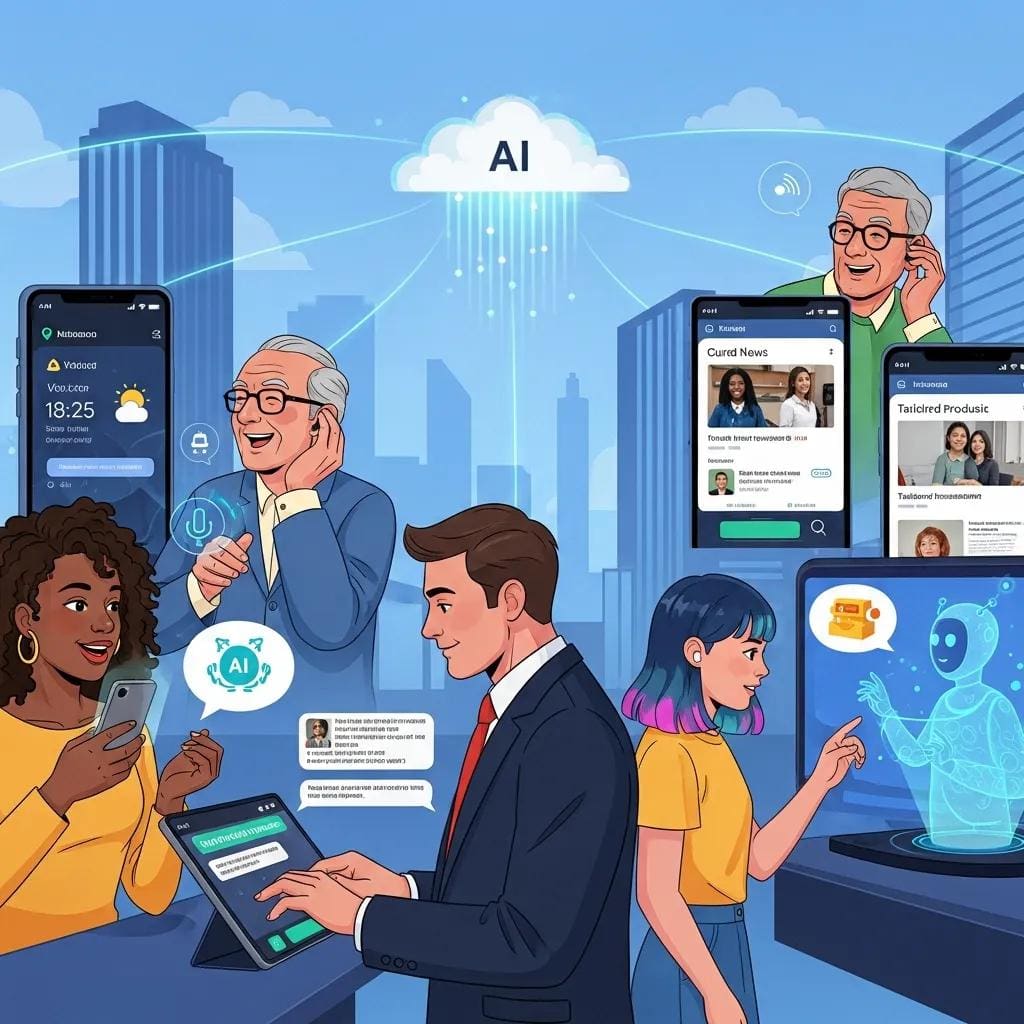
Conversational AI drives human-like communication. It reads context, tone, and intent. That enables deeper, more meaningful interactions. Available 24/7. Perfect for global businesses. Personalized responses from data analysis lift satisfaction and loyalty.
Why Automated Sales Chatbots Ignite Lead Generation Power
Automated sales chatbots supercharge lead generation. They qualify prospects in real time and guide buyers through the funnel. Key benefits include:
- Streamlined Lead Qualification : Chatbots can quickly assess the needs of potential customers and determine their readiness to purchase.
- Automated Follow-Ups : By automating follow-up communications, businesses can maintain engagement with leads without overwhelming their sales teams.
- Data-Driven Insights : Chatbots collect valuable data on customer interactions, which can be analyzed to improve marketing strategies and sales approaches.
This automation saves time and tightens sales efficiency.
How Do AI Lead Generation Tools Accelerate Sales Funnels?

AI lead-gen tools accelerate sales funnels by automating stages of the journey. Algorithms spot high-potential leads so teams focus their energy. Key mechanisms include:
- Automated Lead Scoring : AI systems can evaluate leads based on their likelihood to convert, enabling sales teams to prioritize their outreach efforts.
- Real-Time Engagement : AI tools can initiate conversations with potential customers as soon as they show interest, increasing the chances of conversion.
- Continuous Follow-Ups : Automated follow-ups ensure that leads remain engaged throughout the sales process, reducing the risk of losing potential customers.
Using these tools, businesses boost lead generation and lift conversion rates.
What Makes AI-Powered Lead Qualification a Game-Changer?
AI-powered lead qualification transforms sales operations. It speeds up decisions and frees teams to act on high-value opportunities. The advantages include:
- Speed and Efficiency : AI can process and analyze lead data much faster than human agents, allowing for quicker decision-making.
- Enhanced Accuracy : By utilizing data-driven insights, AI can identify the most promising leads with greater precision.
- Personalization : AI systems can tailor interactions based on individual lead characteristics, improving the chances of conversion.
These benefits make AI lead qualification essential for modern sales strategies.
How Integration with CRM Systems Boosts Conversion Rates
Integrating AI with CRM systems amplifies conversions. Real-time data powers timely, relevant outreach. AI personalizes messages and spots trends before they escalate. Key benefits include:
- Real-Time Data Access : Sales teams can access up-to-date information on leads, allowing for timely and relevant communications.
- Personalized Outreach : AI can analyze customer data to tailor messages and offers, increasing the likelihood of conversion.
- Predictive Analytics : AI can forecast customer behavior based on historical data, helping businesses anticipate needs and adjust their strategies accordingly.
That integration drives smarter sales and stronger customer relationships.
Which Industry-Specific AI Use Cases Revolutionize Customer Interactions?
AI is transforming customer interactions across industries. Notable use cases include:
- Retail and E-commerce : AI chatbots assist customers with product inquiries and recommendations, enhancing the shopping experience.
- Healthcare : AI agents help manage appointments and provide patients with personalized health information.
- Real Estate : AI tools streamline lead generation and property recommendations, making the buying process more efficient.
These use cases prove AI’s versatility and impact on customer interactions.
How Realtors and Healthcare Providers Leverage AI Agents
Realtors use AI to find buyers and deliver tailored property recommendations. Healthcare providers use AI to manage appointments and share personalized health info. Both boost engagement and satisfaction. These applications show AI’s transformative potential across sectors.
Why E-commerce and Startups Accelerate Growth with AI Automation
E-commerce and startups deploy AI automation to fuel growth. Key benefits include:
- 24/7 Customer Support : AI chatbots provide round-the-clock assistance, ensuring that customer inquiries are addressed promptly.
- Personalized Shopping Experiences : AI analyzes customer behavior to offer tailored product recommendations, enhancing the shopping experience.
- Data-Driven Insights : AI tools provide valuable analytics that help businesses refine their marketing strategies and improve customer engagement.
Harnessing AI lets these businesses scale faster and improve customer satisfaction.
What Role Does AI Analytics Play in Future Customer Engagement?
AI analytics shapes future engagement strategies. Analyzing customer data reveals preferences and behaviors. That enables targeted, effective marketing. Key aspects include:
- Enhancing Personalization : AI analytics enables businesses to tailor their offerings based on individual customer preferences, improving engagement.
- Data-Driven Decision Making : Businesses can make informed decisions based on real-time data analysis, leading to more effective strategies.
- Improving Customer Experience : By understanding customer needs, businesses can enhance their service delivery and foster loyalty.
These insights keep businesses competitive in a data-driven market.
How Customer Interaction Analytics Drive Smarter Decisions
Interaction analytics deliver insights that drive smarter choices. Analyze customer exchanges to spot trends and weak points. Use those findings to tune strategy fast. Key benefits include:
- Real-Time Behavior Analysis : Businesses can monitor customer interactions in real-time, allowing for immediate adjustments to strategies.
- Emotion-Aware AI Models : These models can assess customer sentiment, enabling businesses to respond appropriately to customer needs.
- Predictive Analytics : By forecasting customer behavior, businesses can proactively address potential issues and enhance the customer experience.
This approach powers decisions that improve satisfaction and loyalty.
Why Real-Time AI Insights Ignite Sales Optimization
Real-time AI insights optimize sales moves. Immediate access to customer data enables smarter outreach. Act fast. Convert more. Key advantages include:
- Personalized Recommendations : AI can analyze customer behavior to suggest relevant products, increasing the likelihood of conversion.
- Automated Lead Qualification : AI systems can quickly assess leads, allowing sales teams to focus on high-potential prospects.
- Continuous Improvement Through Data : Real-time insights enable businesses to refine their strategies based on current data, leading to better outcomes.
These insights are vital for maximizing sales potential.
How Can Businesses Implement and Monitor AI Customer Automation Effectively?
Implementing and monitoring AI customer automation requires a strategic approach. Key steps include:
- Define Clear Business Goals : Establish specific objectives for AI implementation to ensure alignment with overall business strategy.
- Data Preparation : Ensure that data is clean and organized to facilitate effective AI training and operation.
- Continuous Monitoring : Regularly assess AI performance and make adjustments as needed to optimize outcomes.
Follow these steps to leverage AI automation and elevate customer interactions.
What Are Best Practices for Seamless AI Integration?
For seamless AI integration, follow these best practices. Design with the user first. Invest in quality training data. Partner with experts to guide implementation. Keep the experience simple and effective.
- Prioritize User Experience : Ensure that AI systems are designed with the end-user in mind to enhance engagement and satisfaction.
- Ensure Quality Training Data : High-quality data is essential for effective AI performance, so businesses should invest in data management.
- Collaborate with Experts : Partnering with AI specialists can provide valuable insights and guidance throughout the integration process.
These practices help businesses get the most from AI integration.
How to Track KPIs and Optimize AI Agent Performance
Track KPIs to optimize AI agents. Focus on response times, satisfaction scores, and conversion rates. Use dashboards to visualize trends. Run A/B tests to find winning approaches.
- Monitor Key Performance Indicators : Regularly assess metrics such as response times, customer satisfaction scores, and conversion rates.
- Utilize Analytics Dashboards : Implement dashboards to visualize data and track performance trends over time.
- Conduct A/B Testing : Experiment with different approaches to identify the most effective strategies for customer engagement.
Track KPIs consistently to improve AI systems and sharpen customer interactions.
To further enhance your customer service capabilities, consider exploring the AI agent platform offered by Funneler AI . Their solutions are designed to optimize sales funnels and improve conversion efficiency.
For businesses looking to streamline their sales processes and improve conversion rates, Funneler AI offers AI-driven automation solutions that can help.
Frequently Asked Questions
What are the main challenges businesses face when implementing AI customer service automation?
Implementing AI automation brings real challenges. Clean, organized data is essential. Expect staff resistance to change. Address privacy and ethical use of customer data. Balance automation with human support. Monitor continuously and adapt quickly.
How can businesses ensure ethical practices in AI customer service?
Make AI ethical and transparent. Tell customers how data is collected, stored, and used. Lock down data protection. Set clear AI behavior guidelines to prevent bias. Run regular audits to catch issues early.
What role does customer feedback play in optimizing AI customer service?
Customer feedback is critical. It exposes gaps in accuracy and empathy. Use feedback to retrain models and fix weak spots. Build feedback loops so the system evolves with real user needs.
How do AI-driven insights improve marketing strategies?
AI insights supercharge marketing. Segment audiences smarter. Personalize messaging and offers. Use predictive analytics to forecast trends and stay ahead of competitors.
What are the benefits of integrating AI with existing CRM systems?
AI plus CRM delivers measurable wins. Real-time data enables timely outreach. Automate routine CRM tasks and free agents for complex work. Predictive analytics flag high-potential leads and forecast behavior. The pay-off: higher conversions and happier customers.
How can businesses measure the success of their AI customer service initiatives?
Measure success with clear KPIs: response times, satisfaction scores, resolution rates. Use dashboards to spot trends. Run A/B tests to compare tactics. Collect customer feedback and iterate fast.
Conclusion
Embrace AI customer service automation to boost engagement, streamline operations, and raise service quality. Use advanced technologies to deliver personalized experiences that meet rising customer expectations while cutting costs. AI analytics supply the insights you need to make data-driven decisions that build loyalty. Discover how our AI-driven solutions can transform your customer interactions today.