Latest News, Trends & Developments in AI and Chatbots 2026: Drive Business Growth with Agentic AI Automation
As we move into 2026, the landscape of artificial intelligence and chatbots has significantly evolved, bringing forth new trends and technologies that are revolutionizing business operations. Businesses today face the challenge of maintaining efficiency while optimizing customer experiences, and this is where agentic AI comes into play. In this article, we will explore the latest advancements in AI and chatbots, highlighting how they drive business growth through automation. Expect to learn about agentic AI’s role in sales funnels, the industries leading this technological charge, and the future developments poised to reshape the AI landscape.
From understanding the benefits of conversational AI platforms to examining the latest trends in business AI agents, this guide will provide a comprehensive overview of essential information for business leaders and tech enthusiasts alike. As we delve into these crucial topics, we will also introduce Funneler AI’s offerings, demonstrating how their solutions align with these emerging trends, enhancing lead generation and customer support.
How Are AI Automation Tools Revolutionizing Business in 2026?
AI automation tools are transforming traditional business models by providing efficiency and enhanced customer engagement. These tools allow companies to streamline operations, reduce costs, and improve service quality. Automated processes handle repetitive tasks, freeing up human resources for strategic decision-making and creative problem-solving. This shift towards automation not only enhances operational efficiency but also redefines the customer experience, making it more personalized and responsive.
Businesses harness AI’s capabilities to analyze customer data swiftly, predict trends, and tailor their approaches accordingly. The integration of AI into operations leads to significant improvements in productivity and service delivery, as automated systems can operate 24/7 without compromising quality. As automation continues to evolve, it shapes not only internal methodologies but also the broader market landscape.
What Defines Agentic AI and Its Impact on Sales Funnels?
Agentic AI is a sophisticated form of artificial intelligence that enhances decision-making processes by simulating human-like interactions and judgments. This technology is reshaping sales funnels by optimizing every stage—from lead generation to customer retention. For instance, agentic AI can analyze customer interactions, predict purchasing behaviors, and tailor marketing strategies to convert leads effectively.
Incorporating agentic AI leads to a more strategic approach in managing sales funnels, where businesses can focus on high-value opportunities. The data-driven insights garnered from AI analytics enable personalized engagements that resonate with potential customers, significantly increasing conversion rates and fostering long-term relationships.
Which Industries Lead the AI Automation Adoption Surge?
Several industries are at the forefront of adopting AI automation due to the substantial benefits associated with its implementation. Among these, the healthcare, real estate, e-commerce, and agency sectors are witnessing the most significant transformations.
- Healthcare: AI enhances patient interactions through automated communication and diagnostic tools, improving efficiency in service delivery.
- Real Estate: Agents use AI for targeted marketing efforts, optimizing property recommendations, and understanding market trends.
- E-commerce: Automated chatbots assist in customer service, impacting sales positively by offering instant responses and personalized shopping experiences.
- Agencies: AI tools streamline campaign management by analyzing data in real-time, allowing for agile strategy adjustments.
Statistics reveal that sectors rapidly incorporating AI exhibit improved operational efficiency and customer satisfaction, spearheading the movement towards a tech-driven future.
What Are the Latest Advancements in Conversational AI Platforms?
Conversational AI platforms are advancing rapidly, introducing features that enhance user experiences and streamline interactions. Innovations in natural language processing (NLP) and machine learning are making chatbots more intelligent and capable of understanding context and nuances in human conversation. These improvements enable chatbots to handle complex queries, provide accurate responses, and even engage in nuanced dialogues.
Additionally, the integration of advanced analytics allows businesses to monitor chatbot performance, understanding customer satisfaction levels and areas for improvement. By continuously learning from interactions, AI platforms adapt their responses to fulfill customer needs more effectively. OpenAI is a prime example of an organization pushing these boundaries.
How Do Modern AI Chatbots Enhance Lead Generation Efficiency?

Modern AI chatbots have revolutionized lead generation by providing 24/7 assistance, qualifying leads through interactive questioning, and nurturing potential clients until they are ready for human interaction. By automating initial touchpoints, businesses can manage higher volumes of inquiries without sacrificing quality.
These chatbots employ data-driven strategies, utilizing customer information to tailor interactions that increase engagement and conversion rates. For instance, automated follow-ups and personalized recommendations based on past behaviors ensure that potential leads receive the attention they require, enhancing their journey through the sales funnel.
Why Do Enterprise Chatbot Solutions Dominate Business Automation?
Enterprise chatbot solutions dominate the automation landscape due to their scalability, versatility, and effectiveness in enhancing user satisfaction. These solutions are designed to integrate seamlessly into existing systems, providing powerful tools that cater to the unique needs of large organizations.
Organizations benefit from sophisticated features like multi-language support, advanced reporting, and analytics capabilities. Such features help businesses track engagement metrics and assess the impact of their chatbot strategies on business outcomes. Specifically, enterprises leverage these solutions to streamline communication across departments, improve customer service response times, and foster a more dynamic interaction model with clients.
Which Business AI Agent Trends Are Driving Conversion Growth in 2026?
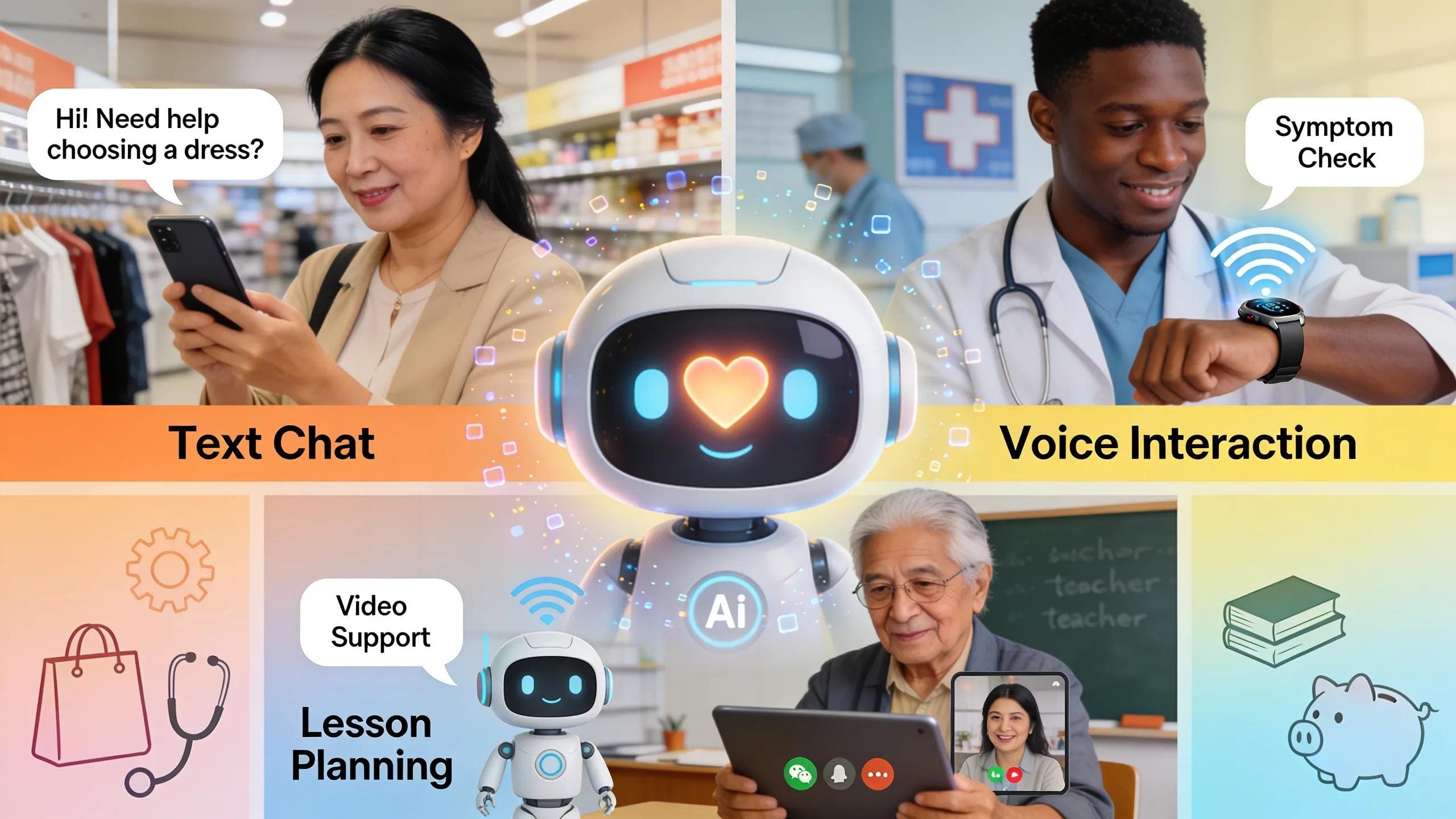
As we look towards 2026, certain trends in business AI agents are emerging as prominent drivers of conversion growth. These include enhanced personalization, real-time data analytics, and the application of advanced machine learning algorithms that refine user interactions based on behavior.
- Enhanced Personalization: AI agents are increasingly capable of tailoring user experiences that resonate with individual preferences, improving engagement.
- Real-Time Data Analytics: The ability to analyze user interactions and market trends in real-time allows businesses to adapt strategies swiftly and efficiently.
- Machine Learning Improvements: Advanced algorithms facilitate more adaptive systems that learn from every customer interaction, effectively improving suggestions and user engagement.
Harnessing these trends can lead to improved conversion rates, as customers feel more valued and understood, making their purchasing decisions more favorable.
How Does AI Automation Boost Lead Conversion Rates by 15%?
AI automation directly contributes to increased lead conversion rates through timely interactions and personalized experiences. Businesses that employ AI technologies can analyze customer data to identify optimal timing for outreach, ensuring communications resonate when potential leads are most receptive.
Moreover, AI provides insights that allow teams to tailor their sales pitches to specific customer interests, highlighting solutions relevant to their needs. Studies indicate that organizations that leverage AI for lead generation see an average uptick of around 15% in conversion rates, showcasing the effectiveness of data-driven approaches in customer engagement.
What Role Do Subscription Models Play in AI Agent Adoption?
Subscription models are playing a pivotal role in the widespread adoption of AI solutions by providing companies with accessible pricing structures and the flexibility to scale capabilities as needed. This economic sustainability is appealing, especially for startups and smaller businesses that may find upfront costs prohibitive.
Such models allow customers to gradually adopt AI technology, ensuring they can adjust and refine their use of AI agents based on performance and needs. This flexibility fosters a culture of experimentation and innovation, encouraging businesses to explore creative applications of AI without significant financial risk.
How Can Funneler AI Transform Your Sales with Cutting-Edge Agentic AI?
Funneler AI offers advanced agentic AI solutions that are designed to optimize customer interactions and enhance sales processes. By leveraging sophisticated algorithms, Funneler AI helps businesses automate repetitive tasks while providing personalized interactions that boost customer engagement. Their tools enable businesses to effectively manage leads, streamline sales funnels, and increase overall efficiency.
What Unique Features Set Funneler AI Apart in 2026?
Funneler AI distinguishes itself in 2026 through its unique blend of features, including AI call agents and chatbots that are tailored to specific industry needs. These solutions facilitate smoother customer interactions, enabling companies to address inquiries promptly and effectively manage sales processes.
Additionally, Funneler AI’s focus on integrating machine learning algorithms allows their solutions to evolve constantly, adapting to customer preferences over time. This adaptability ensures that clients remain competitive and relevant in a fast-changing market landscape.
How Do Funneler AI’s Vertical-Specific Solutions Optimize Results?
Funneler AI’s vertical-specific solutions are designed to cater to the unique requirements of different industries, thereby enhancing performance metrics and fostering greater success in lead conversion. By customizing their AI tools to align with specific business needs, Funneler AI empowers organizations to achieve higher rates of customer satisfaction and engagement.
Case studies demonstrating success in sectors like real estate and healthcare validate the effectiveness of these targeted applications, showcasing how tailored strategies can resolve industry-specific challenges and lead to improved overall outcomes.
What Are the Key FAQs About AI Chatbots and Agentic AI in 2026?
As AI technologies become more integrated into everyday business operations, several key questions arise regarding their functionality and effectiveness. Here are some frequently asked inquiries about AI chatbots and agentic AI as we progress into 2026.
How Are AI Chatbots Evolving Compared to Traditional Bots?
AI chatbots are rapidly evolving beyond the capabilities of traditional bots, which typically relied on scripted responses and static databases. Modern AI chatbots leverage advanced machine learning techniques and natural language processing to engage in dynamic conversations that mimic human interactions closely. This evolution enhances user experiences significantly, as these chatbots can understand context, emotions, and nuances in conversations that once posed challenges.
Which Metrics Prove AI Agents’ Effectiveness in Business?
The effectiveness of AI agents in business can be measured through various key performance indicators (KPIs), such as customer satisfaction scores, response times, and conversion rates. In addition, metrics like engagement levels during chatbot interactions and the number of successfully resolved inquiries without escalation to human agents serve as strong indicators of an AI agent’s impact.
How to Monitor and Stay Ahead in the Rapid AI Chatbot Landscape?
Staying ahead in the evolving AI chatbot landscape requires continuous monitoring of technological advancements and market needs. Companies should implement tools that track trends in AI development and customer feedback to adapt their strategies effectively.
Consider utilizing Semrush’s AI writing assistant to keep pace with content trends and improve your overall AI strategy.
What Tools Track AI Automation Trends and Entity Updates?
Several tools are available for tracking AI automation trends, including data analytics platforms that aggregate market insights, social media monitoring tools that gauge public sentiment, and AI performance dashboards. These resources provide businesses with valuable data that enables informed decision-making.
How Often Should You Update Your AI Chatbot Strategy in 2026?
To maintain optimal performance, businesses should regularly review and update their AI chatbot strategies, ideally every quarter. Regular updates ensure that chatbots remain aligned with evolving customer expectations and technological advancements, enhancing user satisfaction and engagement over time.