AI & Chatbots in 2026: Harness Agentic AI, Multimodal Models, and Voice-First Automation to Transform Your Business
By Gustavo Natotschiev, Funneler AI
As we look towards 2026, the landscape of AI technology continues to evolve, shaping business practices in unprecedented ways. This article delves into crucial AI trends, focusing on agentic AI, multimodal models, and voice-first automation. Readers will explore how these advancements are not merely technological innovations but transformative forces that enhance operational efficiency and customer interaction. The rise of agentic AI introduces bots that not only respond to queries but autonomously make decisions, while multimodal models leverage various data inputs to improve understanding and responsiveness. Voice-first automation stands to revolutionize how customers interact with brands, offering seamless integrations that enhance user experience. This article will guide you through the potential impact of these technologies on business operations and showcase opportunities for practical implementation.
Impact and Applications
AI technologies like agentic AI, multimodal models, and voice-first automation are redefining business operations. These tools enhance productivity while providing improved customer support and engagement through intelligent automation.
Agentic AI
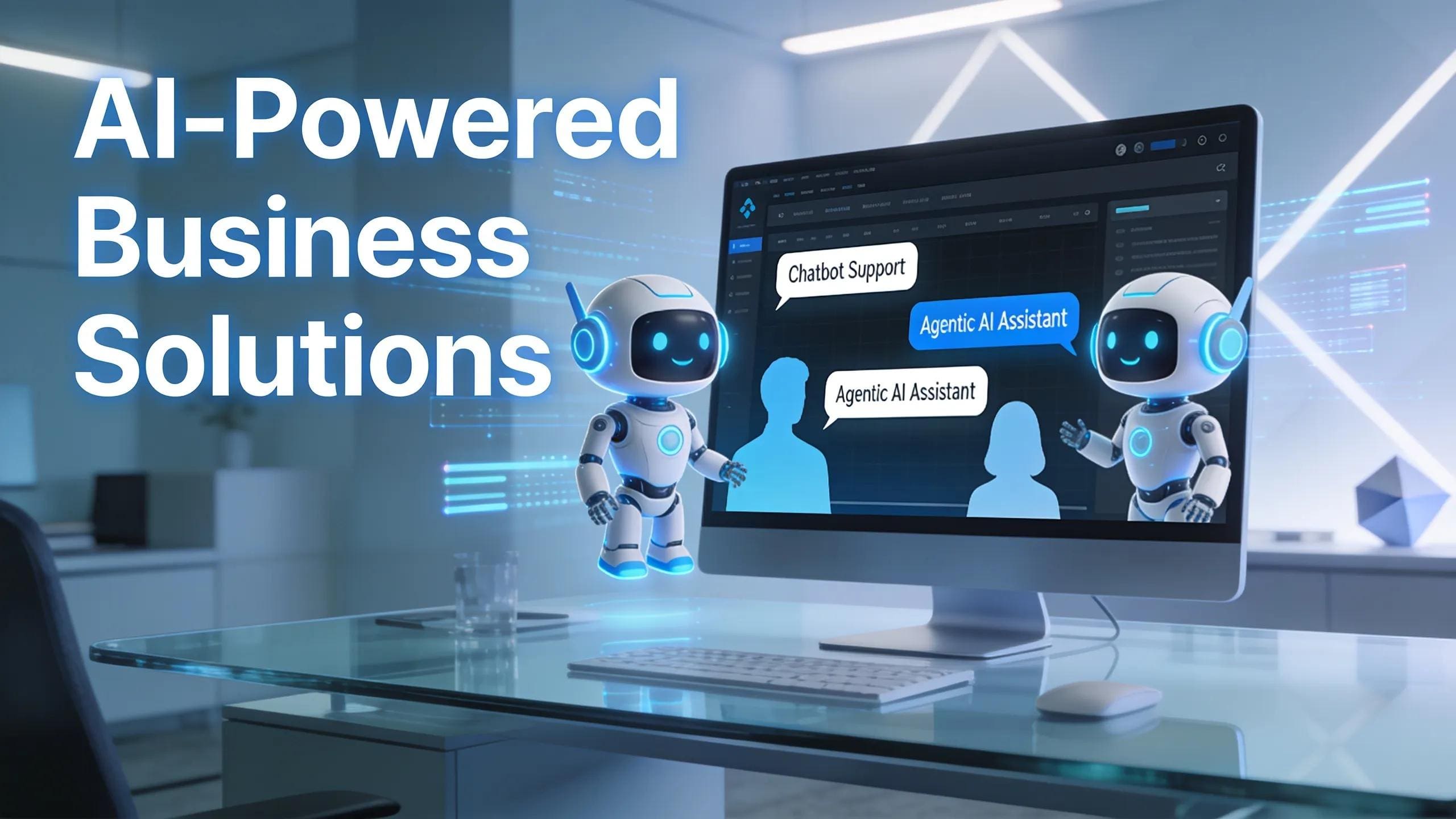
Agentic AI refers to AI systems that can perform actions on behalf of users without direct oversight. This technology provides businesses with the ability to streamline processes, improve decision-making, and enhance customer engagement by offering personalized responses based on data analytics. For example, in customer support, agentic AI can analyze customer queries, predict needs, and autonomously generate solutions. The benefits include reduced operational costs, faster response times, and increased accuracy in addressing client concerns.
Multimodal Models
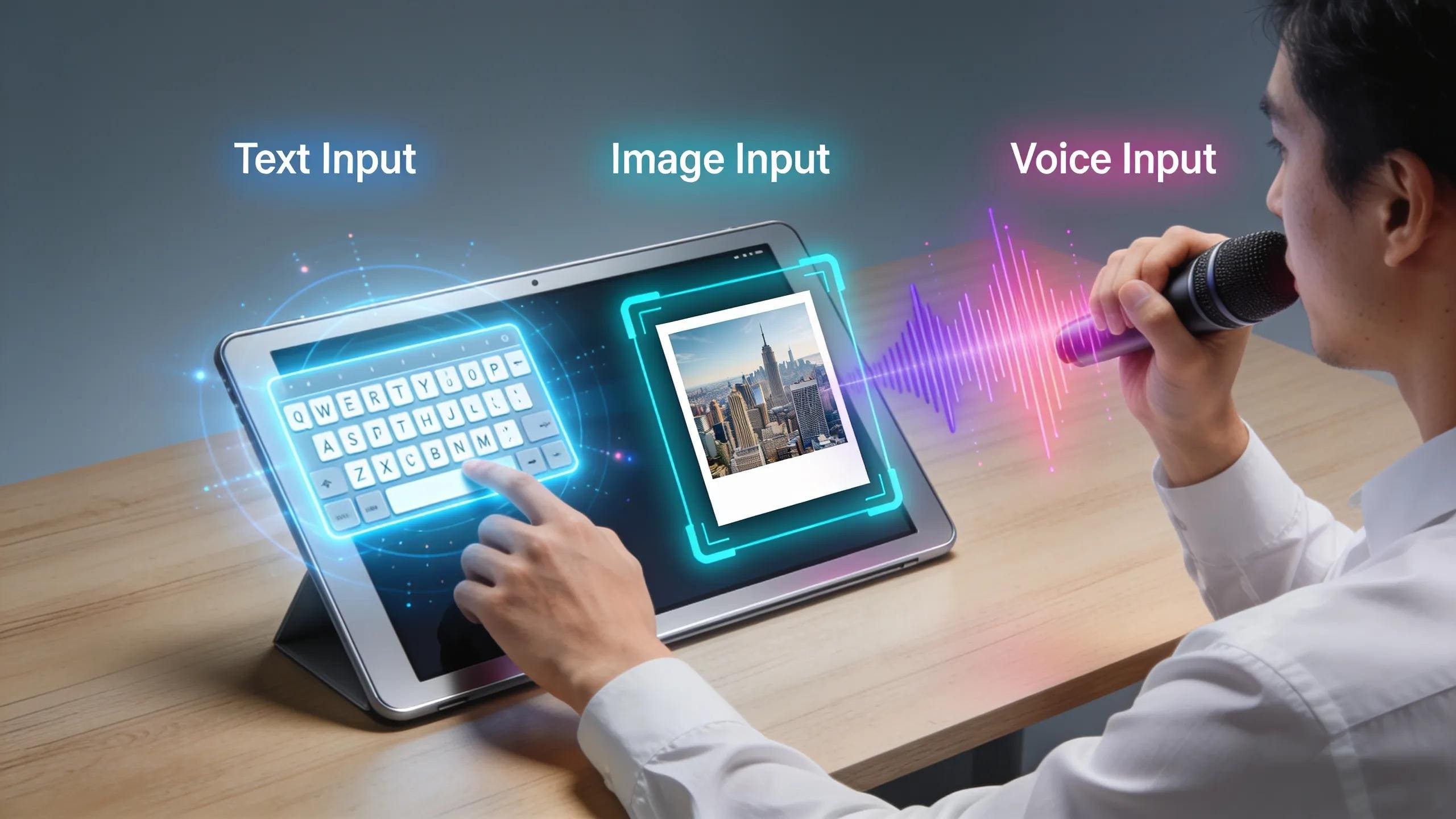
Multimodal models integrate various input types—text, voice, and images—to create a more comprehensive understanding of user queries. This capability allows businesses to tailor interactions more effectively. For instance, a customer might speak a question about a product while simultaneously browsing visual content. By understanding context from multiple inputs, multimodal AI models enhance the relevance and quality of customer interactions. The integration of diverse data types leads to smarter decision-making and improved service delivery.
Voice-First Automation

Voice-first automation involves using voice technology as the primary interface for engaging with customers and systems. This trend accelerates the shift towards voice commerce, enabling customers to interact through voice commands, making processes simpler and more accessible. Key technological advancements, such as natural language processing and improved voice recognition, have made this interface increasingly reliable. Businesses adopting voice-first strategies can expect higher customer satisfaction through more intuitive and streamlined interactions.
Potential Benefits
Implementing AI technologies can yield significant advantages for businesses looking to evolve their operational framework. Here are some of the primary benefits AI technologies can bring:
- Operational Efficiency Gains: Automation of routine tasks allows staff to focus on strategic initiatives, leading to improved productivity.
- Enhanced Customer Satisfaction: By personalizing interactions and speeding up responses, companies can improve the overall customer experience.
- Data-Driven Insights: AI analytics provide actionable insights derived from vast amounts of data, helping businesses make informed decisions.
Funneler AI’s specialized services further complement these benefits by delivering powerful agentic AI and automation solutions tailored for various industries such as real estate, healthcare, and e-commerce.
As AI continues to advance, the implications for business are profound. Leveraging agentic AI, multimodal models, and voice-first automation will not only enhance operations but also redefine customer engagement strategies. Businesses that adopt these technologies will likely lead in their industries as they respond to evolving consumer expectations.
What Is Agentic AI and How Does It Revolutionize Business Workflows?
Agentic AI revolutionizes workflows by enabling AI systems to manage tasks independently. This capability transforms how businesses interact with customers, implementing processes that previously required human intervention. Agentic AI allows for autonomous decision-making, optimizing business efficiency and customer satisfaction.
How Does Agentic AI Enable Autonomous Decision-Making?
Autonomous decision-making is achieved through sophisticated algorithms that analyze data and predict outcomes, making agentic AI systems capable of recognizing patterns and acting accordingly. This level of intelligence allows businesses to automate complex processes, reduce errors, and enhance customer insights.
Why Choose Agentic AI for Sales and Customer Engagement?
Agentic AI offers tailored experiences in sales and customer engagement by dynamically responding to customer inquiries based on historical data. By automating interactions, businesses can maintain consistent engagement while freeing human agents to tackle more complex issues.
How Do Multimodal AI Models Drive Smarter Data Processing in 2026?
Multimodal AI models improve data processing by utilizing combined data sources, leading to effective and efficient customer engagement strategies. These models enhance understanding and adapt interactions based on user input styles.
What Input Types Do Multimodal Models Integrate?
Multimodal models synthesize inputs from text, speech, images, and even gestures, providing a rich context for understanding user behavior. This integration results in a more nuanced interaction that caters to individual preferences and contexts.
How Do Multimodal AI Models Enhance Customer Interactions?
By tapping into various data sources, multimodal AI models create a seamless customer experience, facilitating better insights into customer needs and preferences, thus leading to improved service personalization.
Why Is Voice-First Automation the Future of Business Communication?
Voice-first automation signifies a critical trend in business communication, providing businesses with innovative tools for enhancing customer interactions. This approach positions voice as a primary engagement channel, elevating the user experience.
Advantages of Voice-First Automation
Voice-first automation offers significant advantages, such as the ability to facilitate hands-free interaction, which is particularly beneficial in demanding environments. The technology allows quick access to information and services that improve operational efficiency and customer engagement.
Technological Advancements
Recent advancements in AI technology have driven the growth of voice-first automation. Improved speech recognition accuracy and natural language understanding enable smoother and more intuitive voice interactions between customers and businesses.
Potential Impact on Customer Engagement
Voice-first automation can considerably enhance customer engagement by simplifying the interaction process. Customers can navigate systems directly using their voice, leading to fewer barriers and faster resolutions of their inquiries.
How Do Voice-First Chatbots Boost Customer Satisfaction?
Voice-first chatbots merge voice technology with chatbot capabilities, providing businesses with a unique avenue for enhancing customer satisfaction through more personalized interactions.
What Are the Key Features of Voice-Enabled AI Chatbots?
Voice-enabled AI chatbots offer several vital features, including real-time response capabilities, multilingual support, and the ability to process natural language. These attributes serve to enhance user satisfaction and streamline communication between brands and customers.
What Are Autonomous AI Workflows and How Do They Optimize Operations?
Autonomous AI workflows simplify operational tasks by automating routine processes and allowing for real-time adjustments based on data insights. This optimization translates into reduced human error and increased efficiency across various operations.
How Can Autonomous Workflows Streamline Sales and Support?
Autonomous workflows in sales and support enable businesses to respond to inquiries quickly and effectively by routing them to the appropriate channels without human intervention. This capability leads to increased responsiveness and improved customer experiences.
Which Tools Power Autonomous AI Workflow Implementations?
Tools that power these autonomous workflows often include AI-driven platforms that combine real-time data analytics with machine learning. This synergy allows organizations to maintain flexibility and responsiveness to market demands.
How Are AI & Chatbots Shaping Industry-Specific Solutions in 2026?
AI and chatbots are shaping advanced solutions across various industries, addressing specific needs and challenges. Different sectors such as healthcare, real estate, and e-commerce are increasingly benefiting from tailored AI approaches.
What Impact Does AI Automation Have on Real Estate and Healthcare?
AI automation in real estate streamlines property management and enhances customer service through quick responses and personalized recommendations. In healthcare, AI systems assist in managing patient data, scheduling, and even diagnosing, thereby freeing healthcare professionals to focus on direct patient care.
How Do Startups and E-commerce Businesses Leverage AI Chatbots?
Startups and e-commerce platforms utilize AI chatbots to enhance customer support, improve sales funnels, and manage inquiries efficiently. These tools allow businesses to scale operations while adhering to budgetary constraints.
How Can You Start Accelerating Your Business with Funneler AI Today?
To take advantage of the opportunities presented by agentic AI, businesses can easily deploy Funneler AI’s chatbot technology for immediate benefits. The implementation process is straightforward, enabling companies to remain competitive in rapidly evolving markets.
What Are the Steps to Deploy Funneler AI’s Agentic Chatbots?
Deploying Funneler AI’s agentic chatbots involves initial consultations, customizations tailored to specific business needs, and integration with existing systems. This process ensures that businesses can immediately realize the benefits of AI-enhanced customer interactions.
How Does Pricing and Subscription Work for AI Automation Services?
Funneler AI provides tiered subscription models that align with business sizes and needs, facilitating cost-effective access to diverse AI solutions. Detailed pricing structures can be tailored to fit varying operational requirements, making AI technology accessible for different scales of businesses.